
Valuable (and Unexpected) Art and Antique Discoveries
If you watch the Antiques Roadshow, you will know the scene. A trinket bought for a few pounds at a car boot sale, a painting hung on the wall with little thought, an ornament used as a doorstop, turns out years later to be worth hundreds of thousands of pounds, sometimes millions.
Finds on that scale are rare, but they happen more often than you might think, and often only when a house is cleared or its contents are valued after a death.
That is why a proper valuation for probate purposes matters to executors and their solicitors. It sets the right figure for Inheritance Tax and any later Capital Gains Tax, and it is often the moment something important is spotted. As the five examples below show, you never know what you might find.
The ‘Tenner’ Ring: £656,750
In the 1980s, a woman bought a ring for £10 at a flea market in West London. The stone did not sparkle like a modern diamond, so she assumed it was costume jewellery, and wore it every day for 30 years.
When it was finally examined, it proved to be a diamond of 26.27 carats, cushion cut in a style typical of the 19th century. Cutters then followed the natural shape of the crystal to keep as much weight as possible, which gives a soft glow rather than the sparkle of a modern brilliant. It sold at Sotheby’s in London in June 2017 for £656,750.
The Lewis Chessman: £735,000
The Lewis Chessmen are a group of 12th century chess pieces, carved mostly from walrus ivory and found on the Isle of Lewis in the Outer Hebrides in 1831. Until recently 93 were known, 82 in the British Museum and 11 at the National Museum of Scotland.
In 2019, an Edinburgh family brought a 94th piece to Sotheby’s. Their grandfather, an antique dealer, had bought it in 1964 for £5, and it had been kept in a drawer at home for more than 50 years. The piece, a warder holding a sword and shield, the equivalent of a rook, sold that July for £735,000.
The Pelham Water Buffalo: £4.1 million
In 2009, an eight-inch jade carving of a recumbent water buffalo sold at Woolley & Wallis in Salisbury for £4.1 million, a record for a regional UK saleroom and, at the time, for any jade object.
Carved in spinach-green jade for the Qianlong Emperor, who reigned from 1736 to 1795, it had been bought from a London dealer in 1938 for £300. A year later, at the outbreak of the Second World War, it went into a bank vault, wrapped in newspaper, and stayed there for 70 years until an heir of the owner rediscovered it.
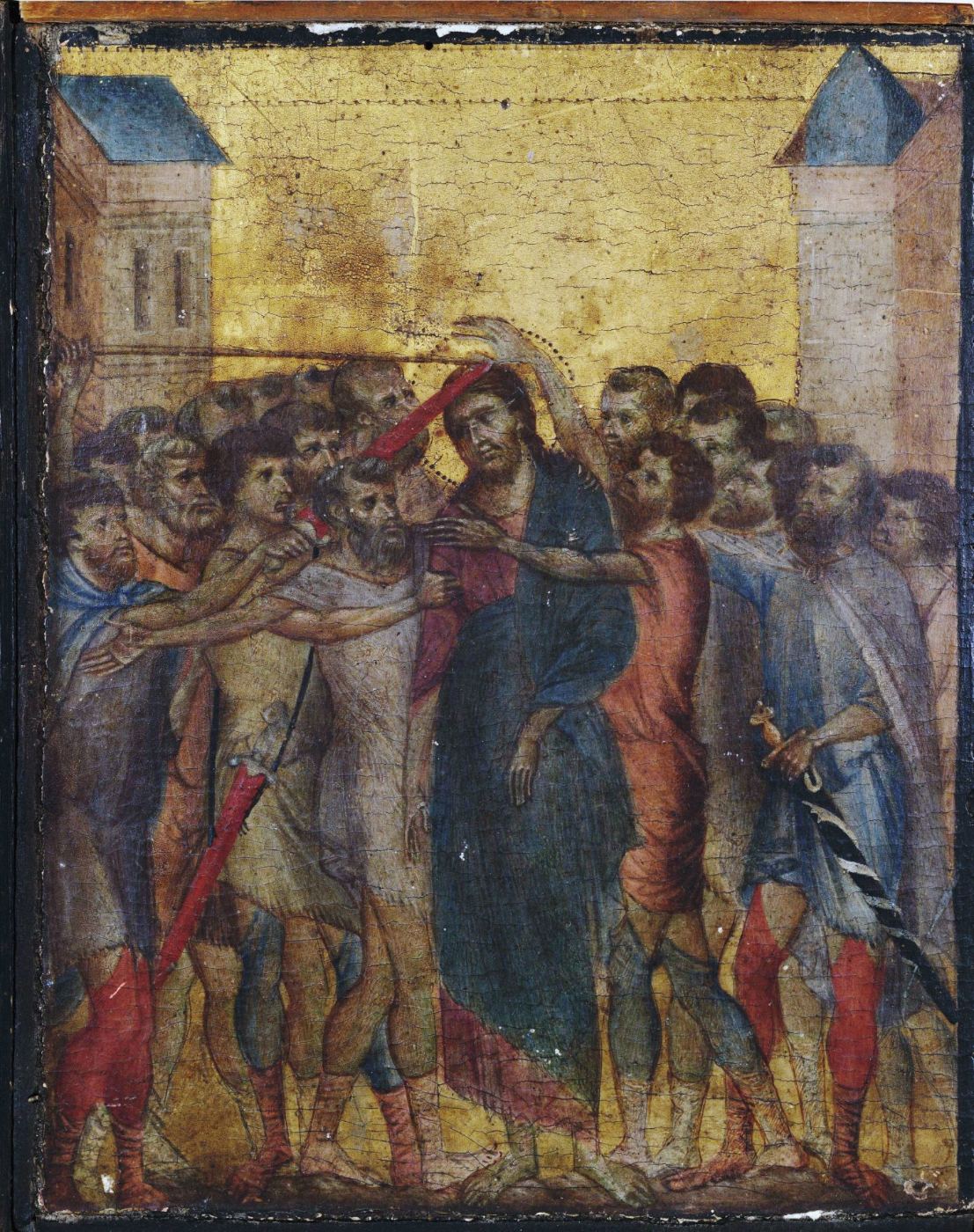
The Mocking of Christ: €24.2 million
A small panel by Cimabue, the 13th century Florentine painter who taught Giotto, hung for years above a hotplate in the kitchen of an elderly woman in Compiègne, north of Paris. The family thought it was a Russian icon.
It came to light in 2019, when an auctioneer was asked to look at the contents of the house before a sale. Experts confirmed it as one of eight scenes from a work of around 1280. Two other panels survive, in the Frick Collection in New York and the National Gallery in London. It sold that October for €24.2 million, then the highest price ever paid at auction for a painting made before 1500.
The story has a fitting ending. France declared the panel a national treasure, which blocked its export, and in 2023 the Louvre acquired it.
The Qianlong Vase: £53.1 million, at least on paper
In 2010, a family clearing a relative’s bungalow in Pinner, north-west London, found an 18th century Chinese porcelain vase that had sat on a bookshelf for years. It had been brought back from the Far East by the relative’s late husband, a keen traveller.
The local auctioneer, Bainbridges in Ruislip, recognised the imperial mark and estimated it at £800,000 to £1 million. After half an hour of bidding that November, it sold for £53.1 million with premium, a record for any Chinese work of art.
The story did not end there. The buyer never paid. Two years later the vase was sold privately, reportedly for up to £25 million: still an extraordinary sum for something that had been taken for an ordinary ornament.
Why it matters
From costume jewellery that proves to be anything but, to overlooked ornaments that turn out to be masterpieces, there is no telling what lies forgotten in a family home. A careful, independent valuation is the best way to find out, before anything is given away, cleared or sold.
Coram James carries out RICS-regulated valuations for probate purposes, and can advise executors on selling each item where it will do best. Call 020 7305 7360 or contact us.
First published in 2020, updated October 2026.